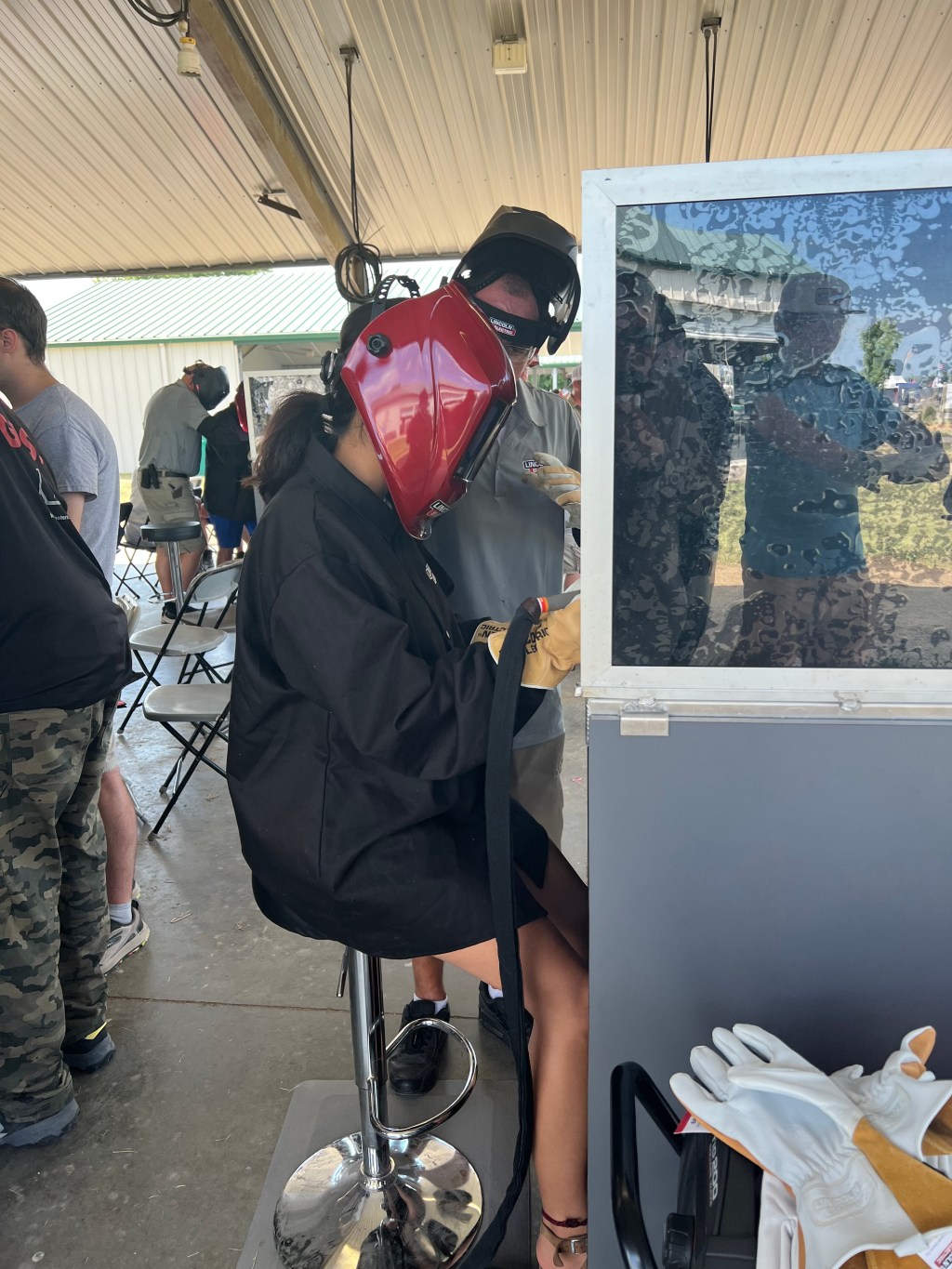
Update 11/16/2023
I am continuing this article as time permits. Please check back for more content!
Learning to weld is a challenging but rewarding process. Welding is used in the construction of bush planes, off-road vehicles, dirt bikes, and mountain bikes. In other words, it’s a key skill in the fabrication of backcountry vehicles. In this article, I walk through my process of learning to TIG weld.
Know the Processes
There a four main welding processes in use among fabricators: oxyacetylene (OAW), stick (SMAW), MIG (GMAW), and TIG (GTAW). Oxyacetylene welding produces heat with a gas flame, while the other three produce heat with an electric arc. In general, stick welding is for larger, courser welds, oxyacetylene and TIG are for smaller, finer welds, and MIG is for welds somewhere in between. Only stick can be used outside in the wind. Only oxyacetylene, and especially TIG, have the precision and control necessary for welding chromoly frames.
Read Some Intro Chapters
There are two great books on TIG welding that I referenced: How To Weld by Todd Bridigum and Performance Welding Handbook, 2nd ed. by Richard Finch, both from the Motorbooks Workshop series.
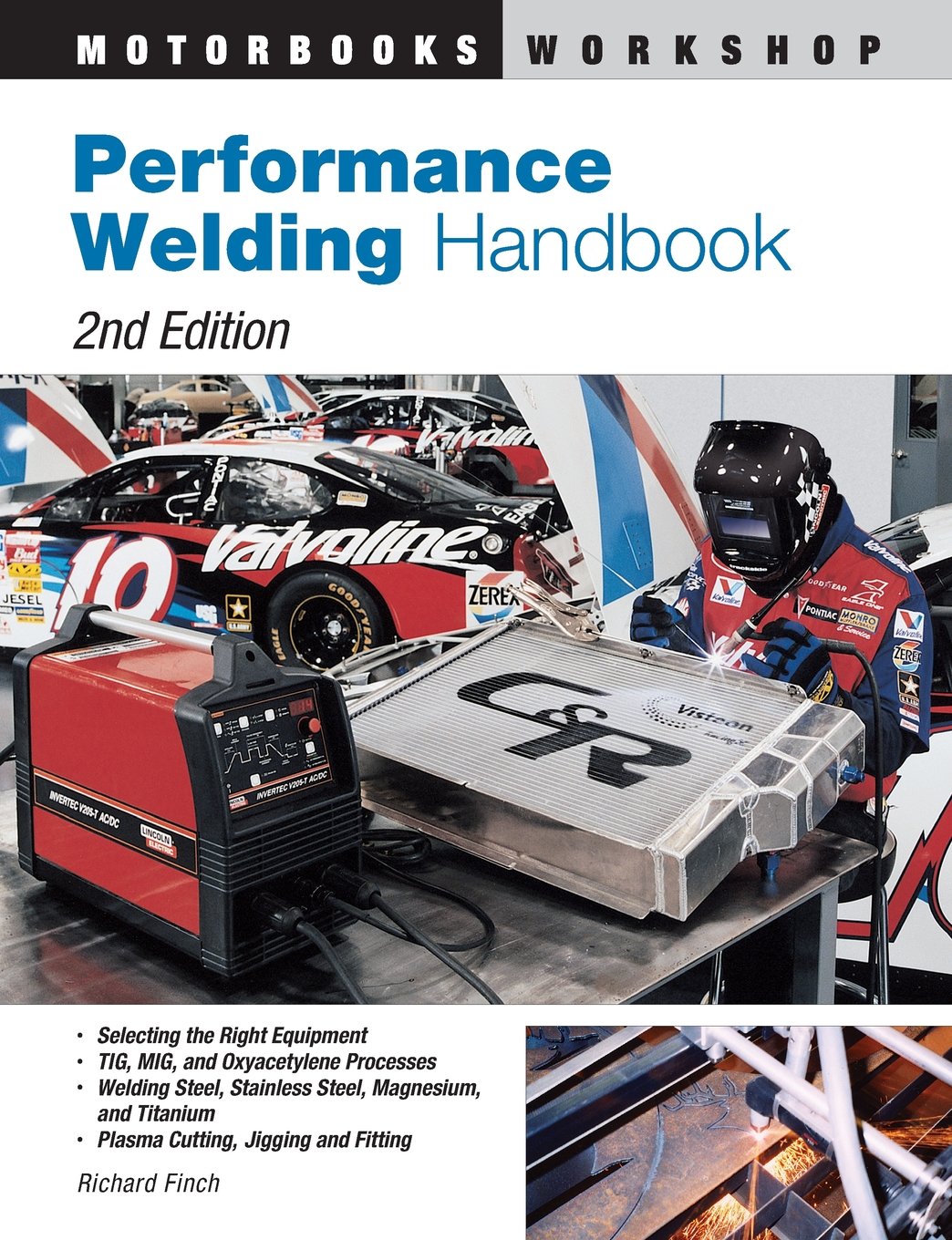
I started with six chapters from Bridigum and three from Finch. I came back to these two books just before I Setup the Equipment.
Six Bridigum Chapters to Read
Introduction
Chapter 1 – History and Process Overview
Chapter 2 – Safety
Chapter 5 – Joint Designs, Welding Positions, and Discontinuities
Chapter 9 – Introduction to Arc Welding
Chapter 12 – Gas Tungsten Arc Welding (GTAW)
Three Finch Chapters to Read
Introduction
Chapter 1 – Comparing Welding Processes: TIG, MIG, and Oxyacetylene
Chapter 12 – Welding Shop Safety
Take a Course
I started with the course Weekend GTAW (GTAW104) from Lincoln Electric. It built practical skills to complement what I’d read. Hands on instruction helped me learn the choreography of holding and moving the torch, applying heat, and adding filler. I practiced the angles, rates, and power settings. I didn’t want to develop bad habits early on.
 Performance Backcountry
Leave a comment